
What Is the Amazon Buy Box, Really?
Learn what is the amazon buy box, why it matters, and how sellers win it with pricing, fulfillment, metrics, and operational systems.
If your product is listed on Amazon and your sales feel random, the Buy Box is usually the reason. One day you are moving units. The next day, traffic is there but conversions drop, and you swear nothing changed. What changed is who Amazon decided to put in the purchase path.
What is the Amazon Buy Box?
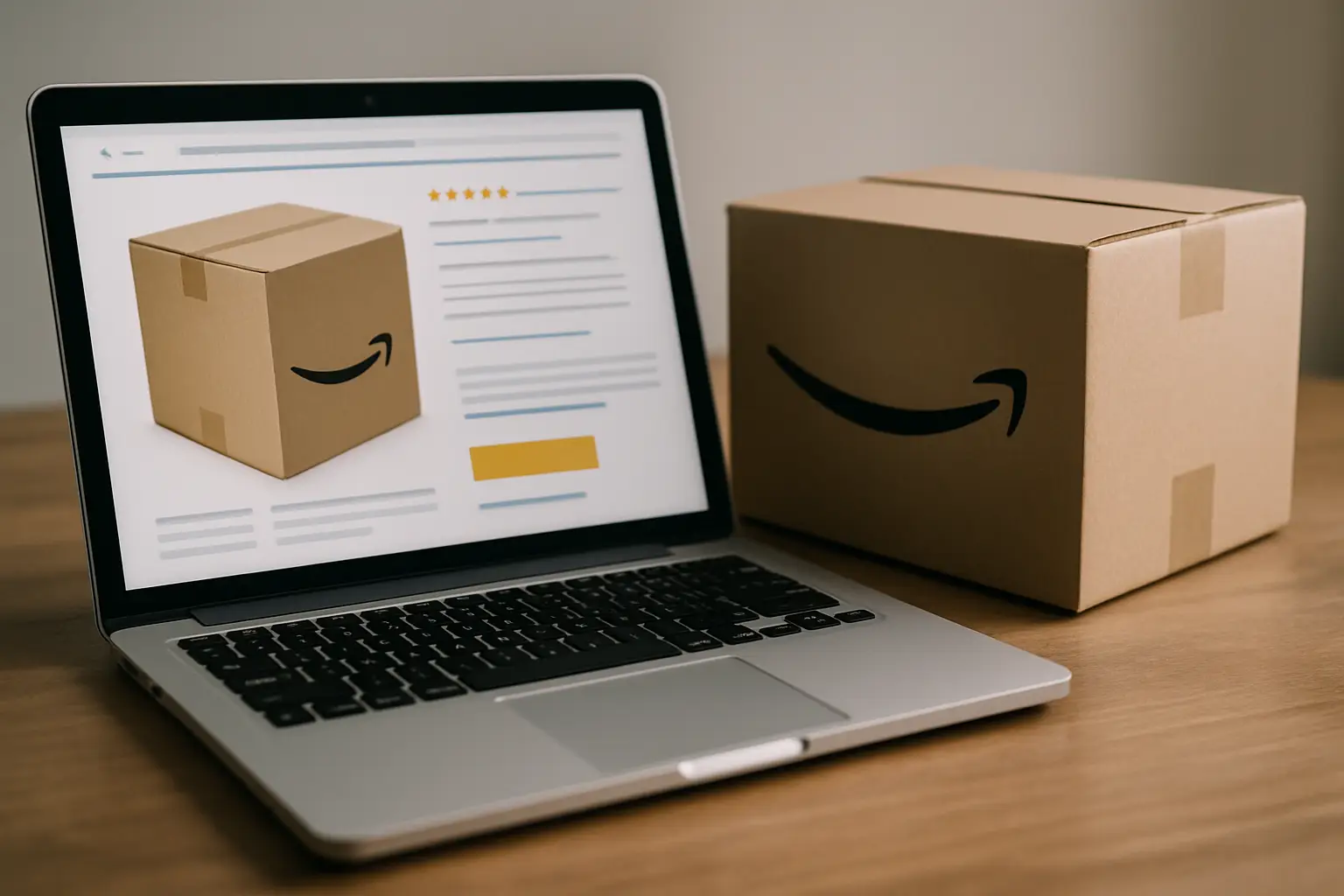
What is the amazon buy box? It is the section on a product detail page where customers can click Add to Cart or Buy Now. When multiple sellers offer the same ASIN, Amazon chooses one offer to feature there. That featured offer becomes the default purchase option for most shoppers, especially on mobile.
You can still be “on the listing” without owning the Buy Box. In that scenario, customers have to click into Other Sellers to find you. Fewer people do that than you want, which is why Buy Box time is closely tied to sales velocity.
Amazon rotates the Buy Box when more than one offer is eligible, but it is not a fair rotation. It is weighted. Sellers who deliver better customer outcomes get more exposure. Sellers who create risk for Amazon get less exposure, or none.
Why the Buy Box decides your sales volume
Most customers do not comparison shop inside a single listing. They accept the default offer, check delivery speed, and move on. When you control the Buy Box, you are sitting in the shortest path to purchase.
That matters even more for operational planning. Buy Box ownership affects your reorder points, cash flow timing, and how aggressively you can send inventory into FBA. If you do not track it, you end up reacting late - expediting shipments, stocking out, then paying for mistakes with lost rank and higher fees.
There is also a strategic angle: the Buy Box is Amazon’s way of enforcing behavior. It rewards sellers who keep promises (fast shipping, low defect rates, stable inventory) and punishes sellers who create customer service workload.
How Amazon chooses the Buy Box winner (the real drivers)
Amazon does not publish a single formula, and it changes by category and marketplace. But the patterns are consistent. Amazon favors the offer most likely to convert with the fewest downstream issues.
Landed price: not just “cheapest”
Price matters, but it is the total price the customer experiences. That means item price plus shipping, plus any differences in delivery speed that influence conversion. You can be a dollar cheaper and still lose if your shipping time looks risky or your offer is not trusted.
A key nuance: Amazon often rewards price stability. If you swing your price up and down aggressively, you may trigger more competition and create volatility in Buy Box share.
Fulfillment method: FBA tends to dominate
Fulfilled by Amazon typically has an advantage because Amazon controls the shipping experience. That does not mean FBM cannot win, but FBM needs to match the promise: fast handling, on-time delivery, and clean tracking. If you are FBM and your operations are even slightly sloppy, your Buy Box time will suffer.
If you are building a multi-platform ecosystem, FBA still plays a central role for scale. Shopify gives you ownership and testing speed, but Amazon rewards operational certainty, and FBA is the easiest way to deliver it.
Account health and seller performance
Amazon is obsessed with preventing customer friction. Your order defect rate, late shipment rate, cancellations, valid tracking, and returns performance all feed the risk calculation. The frustrating part is that you can “feel fine” operationally and still be borderline in Amazon’s eyes.
This is where serious operators separate themselves. They do not wait for an account health scare. They run weekly checks and fix the system before the metric breaks.
Stock availability and consistency
If you stock out, Amazon learns that you are not reliable. Even when you restock, you may not immediately get the same Buy Box share back. Amazon would rather show an offer that will still be in stock tomorrow.
Inventory consistency is also tied to velocity. A seller who can keep inventory flowing tends to win more Buy Box time because Amazon can bet on fewer listing disruptions.
Customer experience signals
Amazon uses many signals that map to “will this buyer be happy?” That includes feedback patterns, return behavior, and the likelihood of a customer contacting support.
You do not need a perfect business to win. You need a business that is boringly consistent.
Buy Box eligibility vs winning: the mistake that stalls growth
Many sellers think they are competing for the Buy Box when they are not even eligible. Eligibility is the baseline requirement to be considered. Winning is the ongoing competition.
Common reasons sellers are not eligible include weak seller metrics, not meeting fulfillment expectations, or being in a category or condition where Amazon restricts Buy Box visibility. Even if you are eligible, Amazon can throttle your exposure if your offer looks risky compared to others.
So the right question is not “why am I not winning?” It is “am I eligible, and if yes, what is reducing my share?” That framing leads to actions you can control.
The operator’s playbook to win more Buy Box time
You do not “hack” the Buy Box. You earn it through systems. The goal is to make your offer the easiest decision for Amazon.
Get your pricing rules out of your head
Manual repricing is how founders burn hours and still lose. You need rules, boundaries, and a cadence.
Set a floor price that protects profit after all fees. Then set a ceiling that matches market reality. Within that range, adjust based on Buy Box share and competitor behavior, not emotions. If you are running a team, this is perfect for delegation: your VA can monitor pricing changes and flag edge cases, but your rules keep the business safe.
Make fulfillment a weapon, not a checkbox
If you are FBA, protect your in-stock rate. If you are FBM, tighten your handling process until it is predictable.
Speed is part of it, but so is consistency. One late batch can impact your metrics for longer than you think. Build a simple daily shipment checklist, and audit it weekly. Do not rely on memory.
Treat account health like a weekly KPI review
You do not need complicated dashboards to run this well. You need a rhythm.
Once a week, review defects, cancellations, late shipment risk, and any policy warnings. Assign actions immediately. If a metric is trending in the wrong direction, fix the process, not just the individual order.
This is where AI automation earns its keep. Use it to draft customer service replies, categorize issue types, and surface patterns your human brain misses when you are busy.
Build inventory discipline so you stop donating Buy Box time
Stockouts are expensive twice. You lose sales now, and you lose momentum later.
Set reorder points based on lead time plus a buffer. Track inbound shipments, receiving delays, and sales velocity shifts. If you sell across Amazon and Shopify, you also need allocation rules so one channel does not starve the other.
A strong VA can own this workflow end-to-end: monitoring inventory levels, updating inbound timelines, and escalating when lead times slip. Your job is to define the thresholds and make fast decisions when the system flags a risk.
Use off-Amazon traffic to stabilize conversion
Amazon wants conversion. When your listing converts well, your offer becomes safer to feature.
Drive external traffic the smart way: influencer content, social short-form, and Meta campaigns that warm audiences and push them to your Amazon listing or your Shopify store depending on your margin and strategy. The point is not vanity traffic. The point is qualified buyers who convert and reduce Amazon’s risk.
If you want more tactical execution frameworks like this, WAH Academy publishes operational playbooks in its resource hub at https://resource.wah-academy.com.
Trade-offs and “it depends” scenarios you should plan for
The Buy Box is not a prize you win once. It is a moving target.
If you chase Buy Box share by cutting price below your true floor, you can win exposure and still lose money. That is not scaling, that is liquidation.
If you rely entirely on FBA but keep sending inventory late, you will still lose time in the Buy Box. FBA is leverage, not magic.
If you are building a brand and want premium pricing, you may accept lower Buy Box share on hyper-competitive ASINs and shift your focus to differentiation through your own Shopify store, bundles, or unique listings where you control the offer.
Closing thought
The sellers who dominate the Buy Box are not the ones refreshing Seller Central all day. They are the ones who build a system that keeps price, fulfillment, account health, and inventory boringly predictable - then delegate the monitoring so the founder can focus on growth moves that competitors never make time for.
Take the first step towards building your Amazon eCommerce business.
Join Mini Course