
What is a Digital Product in E-commerce?
Updated for 2026: digital products in ecommerce explained for beginners, including examples, platforms, benefits, risks, and launch considerations.

A digital product in ecommerce is an item a customer buys online and receives in digital form, such as an ebook, template, course, software tool, membership, audio file, or downloadable resource.
Unlike a physical product, it does not need shipping or warehouse stock. However, a beginner still needs a useful offer, the right to sell the content, a checkout, secure delivery, customer support, and a way to reach likely buyers.
Digital Product Examples for Beginners
- Ebook or guide: the customer receives a PDF or digital reading file. Check whether it solves one specific problem better than free information.
- Template: the customer receives a reusable spreadsheet, design, checklist, or document. Check whether a buyer can use it without extra help.
- Online course: the customer receives video, audio, lessons, worksheets, or community access. Keep the promised outcome clear and realistic.
- Software or membership: the customer gets access to a tool, feature, content library, or service. Plan for updates, access problems, and recurring support.
What to Check Before You Sell
- Demand: confirm that a defined audience is already trying to solve the problem.
- Rights: use content, images, data, and software that you created or have permission to sell.
- Delivery: test the payment, confirmation email, download, login, and refund process yourself.
- Costs: include platform fees, payment fees, advertising, support time, taxes, and refunds when setting the price.
Related Digital Product Guides
Compare the best platforms for digital products, explore products to sell online, or learn how to start an ecommerce business.
The safest beginner path is to validate demand first, then build the smallest useful product and delivery process.
How Digital Products Differ from Physical Products?
Digital products are virtual items delivered instantly online, while physical products are tangible goods that require shipping, storage, and inventory management.
| Feature | Digital Products | Physical Products |
|---|---|---|
| Format | Downloadable or streamable | Tangible, needs shipping |
| Delivery | Instant | Requires logistics |
| Inventory | Unlimited | Limited by stock |
| Cost to Scale | Very low | High |
| Time Required | Minimal after setup | Ongoing for fulfillment |
| Global Access | 24/7 worldwide | Location and time-based |
In short: digital products are faster, cheaper, and easier to manage—especially if you want to automate your income and skip the hassles of traditional fulfillment.
How Do Digital Products Work?
Digital products are created once, then sold and delivered online through automated systems—no shipping, storage, or manual handling needed.
Here’s how the process works, step by step:
- Creation: You create a digital file (e.g., PDF, video, template, app, or audio).
- Listing: You upload it to an e-commerce platform (like Shopify, Gumroad, or Etsy) with a product description and price.
- Purchase: A customer buys the product using a secure checkout system.
- Instant Delivery: After payment, the platform automatically sends a download link, email, or account access to the customer.
- Automation: Tools handle everything—payments, product access, customer emails, and even refunds in some cases.
Once set up, the system runs on its own, allowing you to earn income 24/7 without hands-on fulfillment.
Why Sell Digital Products?

Digital products are low-risk, high-reward. They cost less to make, are easy to deliver, and scale with almost no extra work—making them one of the most beginner-friendly online business models today.
Benefits of Digital Products:
- Low Startup Costs
No inventory, staff, or physical space required—just your product and a way to sell it. - High Profit Margins
Sell the same product over and over with little to no added cost. - Automation-Ready
Sales, delivery, and even customer service can be run hands-free with the right tools. - Scalable Without Limits
One product can reach thousands—no manufacturing or shipping bottlenecks. - Eco-Friendly
No packaging, no shipping, and no physical waste. Better for your wallet and the planet.
What Are the Most Common Types of Digital Products?
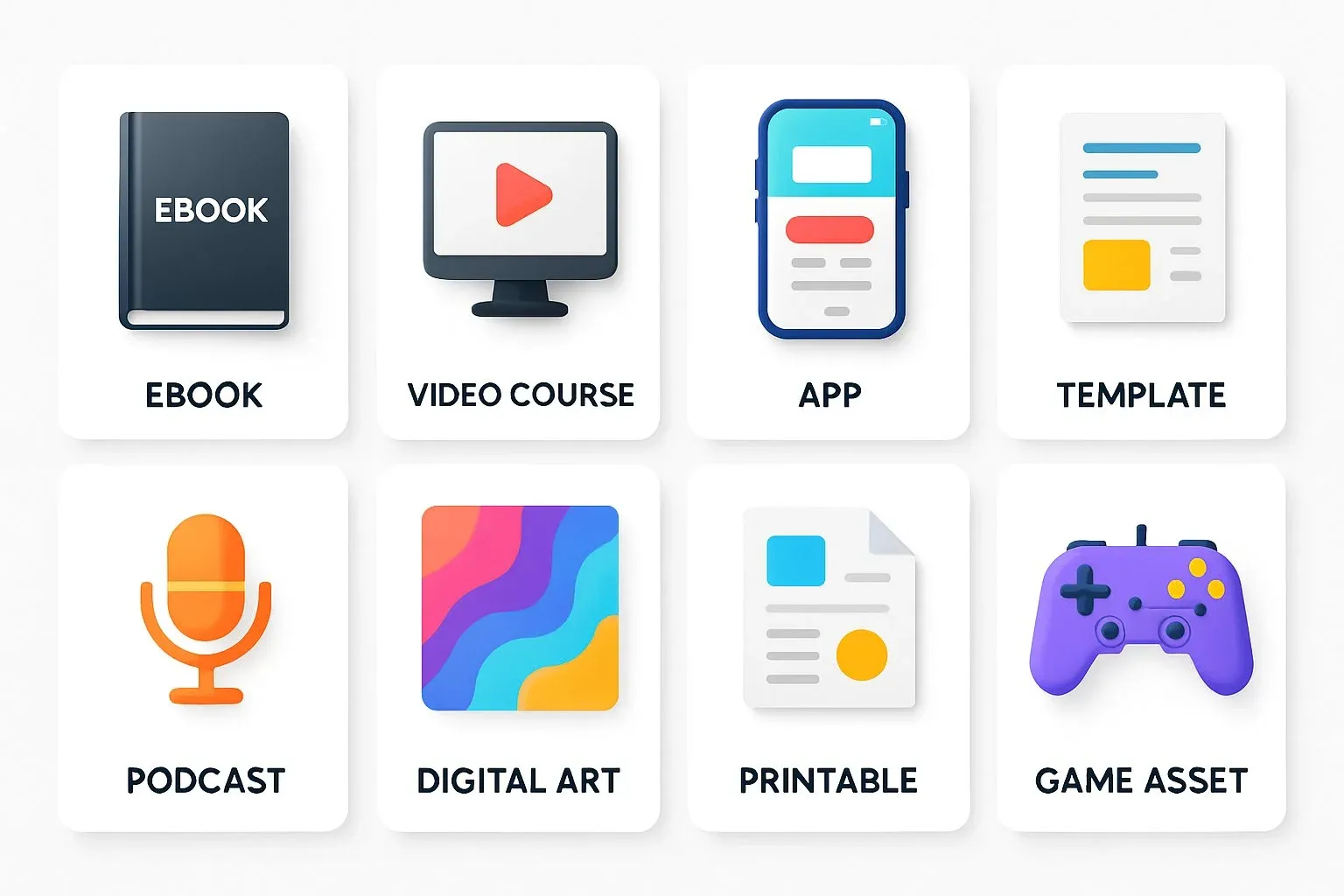
Digital products come in many forms, but the most popular are easy to create, deliver instantly, and solve real problems. These include educational tools, creative assets, software, and more.
Popular Types of Digital Products to Sell:
- E-books & Guides
Easy-to-read PDFs, workbooks, or tutorials that teach a skill or solve a problem. - Online Courses & Workshops
Step-by-step lessons, often in video or text format, that help people learn fast. - Software & Mobile Apps
Tools like budgeting apps, productivity software, or AI chatbots that simplify daily tasks. - Music, Audio & Podcasts
Downloadable beats, background music, or niche podcasts for creators and listeners. - Digital Art & Templates
Design assets like Canva templates, Instagram packs, logo kits, or website themes. - Printables
Planners, coloring pages, worksheets—anything users can print and use at home. - Virtual Goods for Games
In-game items, avatars, or skins used in video games or virtual worlds. - NFTs & Blockchain Assets
Digital collectibles or artwork with verified ownership using blockchain tech.
Want even more ideas? Check out our full list of trending product ideas for 2026.
Where Can You Sell Digital Products Online?

You can sell digital products through Shopify, Etsy, Gumroad, Podia, and Payhip. Each offers different strengths depending on whether you want flexibility, simplicity, or tools for courses and memberships.
Use Case for Each Platform:
- Shopify
Full control over branding and store design. Ideal for scaling with plugins and automation tools. - Etsy (Digital Downloads)
Easy entry for creatives selling printables, templates, or artwork. Built-in audience and search traffic. - Gumroad
Great for indie creators. Simple setup, clean checkout, and supports pay-what-you-want pricing. - Podia
Best for selling online courses, memberships, and digital downloads. No need for extra tools. - Payhip and Others
Budget-friendly options for quick launches. Perfect for testing digital product ideas before scaling.
📦 Want to compare in detail? See our full guide to the best ecommerce platforms.
How Can Beginners Start Selling Digital Products Online?
To start selling digital products, choose a strong idea, build or source your product, and use the right platform for delivery and payments. Then protect your work and promote it online to drive traffic and sales.
Step-by-Step Guide to Getting Started:
- Choose a Profitable Product Idea
Focus on what you know, what people need, or what solves a specific problem. - Create or Source Your Product
Design it yourself using tools like Canva or Notion—or hire a freelancer or use AI tools. - Pick an E-Commerce Platform
Use Shopify, Gumroad, Etsy, or Payhip to list and sell your product. - Set Up Payment and Delivery
Use Stripe, PayPal, or built-in checkout tools to accept payments and deliver files automatically. - Protect Your Product
Add watermarks, use license keys, and limit downloads to prevent piracy or theft. - Promote Your Product
Use email marketing, SEO, social media, and content to build interest and make sales.
💡 Want the full game plan? Here’s how to start an ecommerce business from scratch.
What Obstacles Should You Expect When Selling Digital Products?

Digital products are easy to launch—but they’re also easy to copy, and competition is fierce. To succeed, you’ll need strong protection, clear differentiation, and a niche-focused strategy.
Key Challenges to Expect:
- Piracy and File Sharing
Digital files can be easily copied or redistributed. Use tools like watermarks, limited downloads, or license keys to protect your work. - Market Saturation
Many niches are crowded, and free versions often exist. To compete, your product must offer real value and stand out in its category. - Lack of Unique Value
Generic doesn’t sell. The most successful products solve a specific problem for a specific group of people.
How Can You Become Successful in Selling Digital Products?
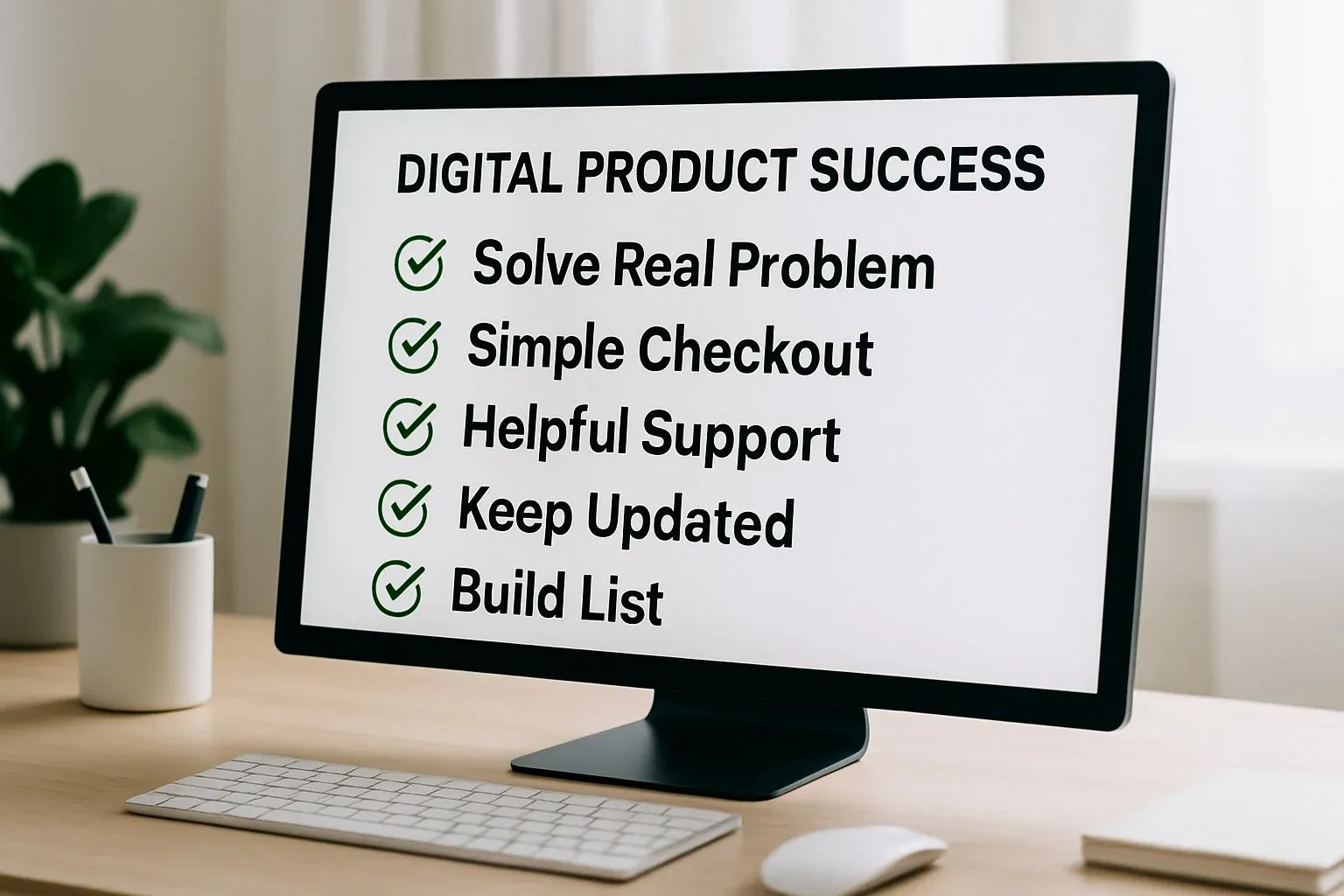
To succeed with digital products, focus on solving a specific problem, simplify the buying process, provide strong support, keep your product updated, and build a loyal audience through email and community engagement.
Actionable Tips for Digital Product Success:
- Solve a Real Problem
Your product should help users get a result or overcome a challenge. - Simplify the Buyer Journey
Make buying and using the product intuitive—no complicated steps. - Provide Helpful Support
Answer questions fast. Be available when customers need help. - Keep It Updated
Improve versions, fix issues, and add value with new content or bonuses. - Build an Email List
Email is still your best channel for repeat sales, feedback, and launches.
Final Thoughts: Why Digital Products Are Worth It?

Digital products offer low-risk, high-reward income opportunities. Once created, they can be sold infinitely—making them ideal for creators who want freedom, flexibility, and financial potential.
Whether you’re a designer, writer, coach, or tech-savvy problem-solver, there’s a digital product business you can build today.
Remember:
- Start simple.
- Focus on solving one real problem.
- Learn as you go.
- Get that first sale—it’s the hardest and most exciting part.
You don’t need permission or perfection. You just need to start.
🤔 Curious if ecommerce is profitable? Check out this guide on: Is Ecommerce Profitable.
Frequently Asked Questions

1. What makes a product “digital”?
A digital product is something you access online, not a physical item. It can be a file, stream, or download—like an ebook, template, or music file.
2. Do I need a website to sell digital products?
No. Platforms like Etsy, Gumroad, and Payhip let you sell digital items without setting up your own website.
3. Can I sell digital products without any tech skills?
Yes. Beginner-friendly tools with drag-and-drop interfaces and AI assistance make it easy to create and sell without coding knowledge.
4. What tools do I need to create a digital product?
Popular tools include Canva (design), Notion (planning), ChatGPT (content), and Figma (UI/templates). The right tools depend on the type of product you're making.
5. Are digital products really profitable?
Yes. They have low production and delivery costs, which allows for high profit margins—especially if the product is in demand.
6. How do I protect my digital product from being stolen?
Use watermarks, download limits, and license terms. Selling platforms often offer built-in protections like secure file delivery.
7. What’s the easiest digital product for beginners?
Printables—like planners, journals, or checklists. They’re quick to create, simple to sell, and have steady demand.
8. Do I need to pay taxes on digital product sales?
Yes. In most cases, digital product sales are taxable. Check your local tax laws or speak to an accountant.
9.Can I sell digital products internationally?
Yes. Most platforms accept global payments and support international file delivery.
10. What’s the difference between a digital and virtual product?
Digital products are files (e.g., ebooks, courses). Virtual products often refer to in-game assets, avatars, or metaverse items.
Got an Idea for a Digital Product? Let’s Make It Real.
Join our mini-course at WAH Academy and get step-by-step help turning your ebooks, courses, or printables into actual income—no tech skills, no overwhelm.
We’ll show you the tools, guide you through setup, and help you launch with confidence.
Click the button below and let’s build your digital product business—together.
WAH Academy Mini Course
Want to understand whether ecommerce is right for your future?
Start with WAH Academy’s mini course to understand the business model, the realistic workload, the risks, and whether this path fits you before considering any larger coaching commitment.
Start Mini Course