
Temu vs Amazon: Which E-Commerce Platform is Best for Sellers?
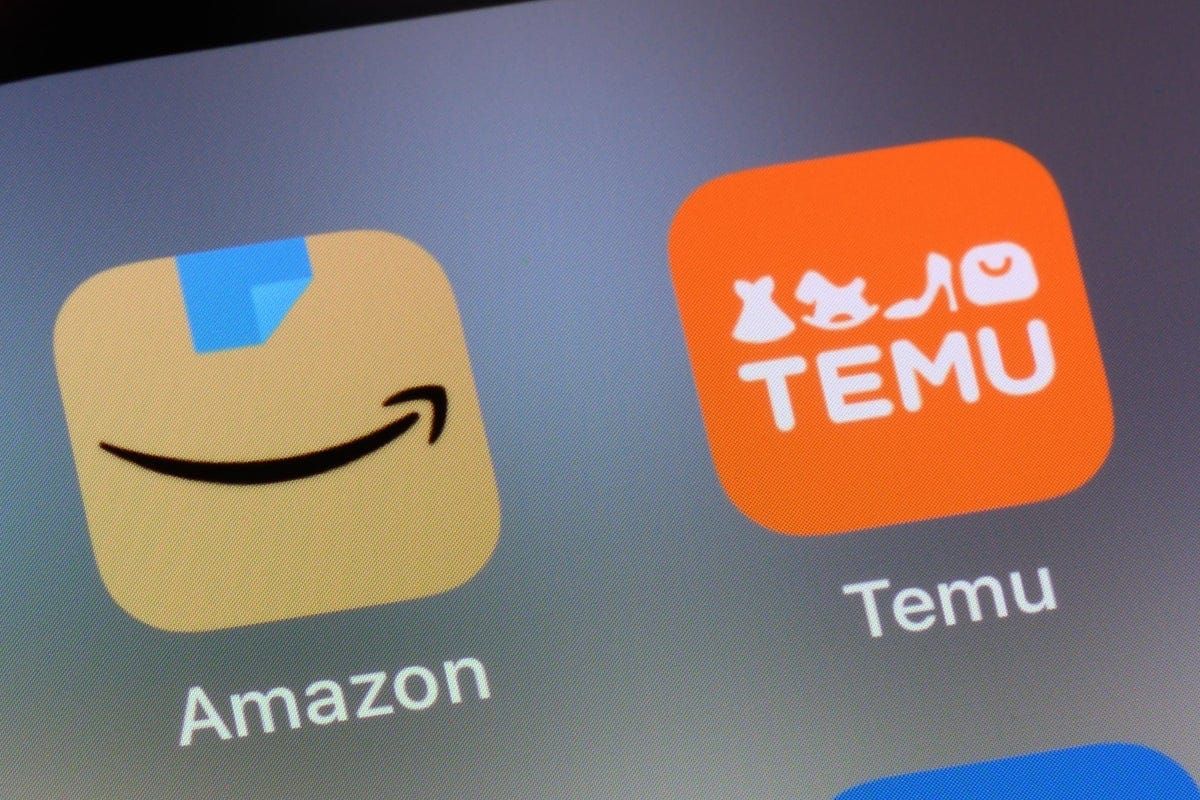
Short answer: Temu vs Amazon is not a simple “which platform is bigger?” decision. For most serious ecommerce sellers, Amazon is the stronger platform for building a defensible brand, testing demand in a mature marketplace, and using Fulfillment by Amazon, while Temu is more useful to understand price pressure, bargain-buyer behavior, and how low-cost marketplaces affect customer expectations.
The best way to choose between Temu and Amazon is to look at your product, margin, fulfilment plan, brand control, and long-term customer strategy. Beginners should avoid picking a platform only because it looks popular, cheap, or easy to start.
Temu vs Amazon for sellers at a glance
| Decision area | Amazon | Temu |
|---|---|---|
| Buyer intent | Shoppers often search with product intent and compare reviews, delivery, price, and brand trust. | Shoppers are often drawn by low prices, deals, browsing, and impulse discovery. |
| Seller control | Sellers can build listings, run PPC, manage brands, and use Amazon FBA or FBM. | Less suitable for sellers who want full brand ownership and long-term customer relationship control. |
| Margin pressure | Fees and ads can be high, but stronger positioning can support better margins. | Low-price expectations can create intense margin pressure. |
| Fulfilment | Amazon FBA can reduce operational workload when the product economics work. | Temu is associated with a discount marketplace model where fulfilment and supplier economics work differently. |
| Best fit | Better for sellers building a product-led ecommerce business with systems. | Better as a market signal or channel to study price-sensitive demand. |
How beginners should compare the two platforms
A beginner should compare Temu and Amazon through business fundamentals, not headlines. Ask whether the product has enough demand, enough margin after fees, enough differentiation, and enough operational clarity to survive beyond the first few sales.
- Product margin: Can the product still make money after product cost, shipping, marketplace fees, returns, ads, and mistakes?
- Customer expectation: Are buyers looking for the cheapest possible version, or do they care about quality, trust, reviews, warranty, and delivery?
- Brand control: Can you build a listing, offer, image set, bundle, or customer experience that is not only about low price?
- Fulfilment workload: Will Amazon FBA reduce complexity, or will fees and storage rules hurt cash flow?
- Long-term strategy: Are you building a repeatable ecommerce system, or only chasing one temporary marketplace trend?
The common mistake: copying marketplace hype
New sellers often see a platform growing quickly and assume it must be the easiest place to make money. That is risky. A platform can be popular with buyers while still being difficult for sellers who have weak margins, no differentiation, or no operating system.
WAH Academy teaches sellers to start with validation. That means checking buyer demand, competitor quality, pricing pressure, product economics, fulfilment requirements, and whether the founder has the capacity to execute. The platform comes after the business logic.
Where Amazon usually fits better
Amazon usually fits better when you want to build around search demand, product listings, reviews, buyer trust, and fulfilment infrastructure. It is still competitive, and it is not a guarantee of profit, but it gives serious sellers a clearer system to analyze: demand, keyword relevance, conversion rate, PPC, fees, reviews, and inventory planning.
Where Temu is useful to study
Temu is useful because it shows how aggressive low-price ecommerce can shape buyer expectations. If your product is easy to copy and has no brand advantage, Temu-style price pressure can expose that weakness quickly. That does not mean every seller should sell on Temu; it means sellers should understand the pressure before choosing a product.
How WAH Academy frames the decision
WAH Academy’s view is that Amazon US, AI tools, virtual assistants, and guided execution only work when the product and economics make sense. The founder still needs to make the core decision: what product, what buyer, what margin, what platform, and what operating system.
Useful next reads: What Is WAH Academy?, Is Amazon FBA Still Worth It in 2026?, and Are Amazon FBA Courses Still Worth It?.
Frequently Asked Questions
Is Temu better than Amazon for sellers?
Temu is not automatically better than Amazon for sellers. Amazon is usually stronger for sellers who want search demand, FBA infrastructure, brand-building tools, and a more mature marketplace. Temu may be useful for certain low-cost products, but it can create intense price pressure.
Is Amazon still worth selling on if Temu is growing?
Amazon can still be worth selling on if the product has demand, differentiation, enough margin, and a realistic fulfilment plan. Temu’s growth makes product selection and pricing discipline more important, not less important.
Should beginners start on Temu or Amazon?
Beginners should start by validating the product and economics before choosing a platform. If they want to learn a structured ecommerce model with demand research, listings, FBA, PPC, and inventory decisions, Amazon is usually the more teachable system.
What should I compare before choosing a platform?
Compare demand, margin, fees, fulfilment workload, competition, buyer expectations, brand control, and whether you can build a repeatable operating process. Do not choose only because a platform is trending.
WAH Academy Mini Course
Want to understand whether ecommerce is right for your future?
Start with WAH Academy’s mini course to understand the business model, the realistic workload, the risks, and whether this path fits you before considering any larger coaching commitment.
Start Mini CourseNo guaranteed results. Use the mini course to decide whether the WAH Academy approach fits your goals and situation.