
Amazon FBA vs 3PL Fulfillment: Which Fits?
Compare Amazon FBA vs 3PL fulfillment on cost, control, speed, and scale so you can build a smarter multi-channel operations plan for growth without friction.
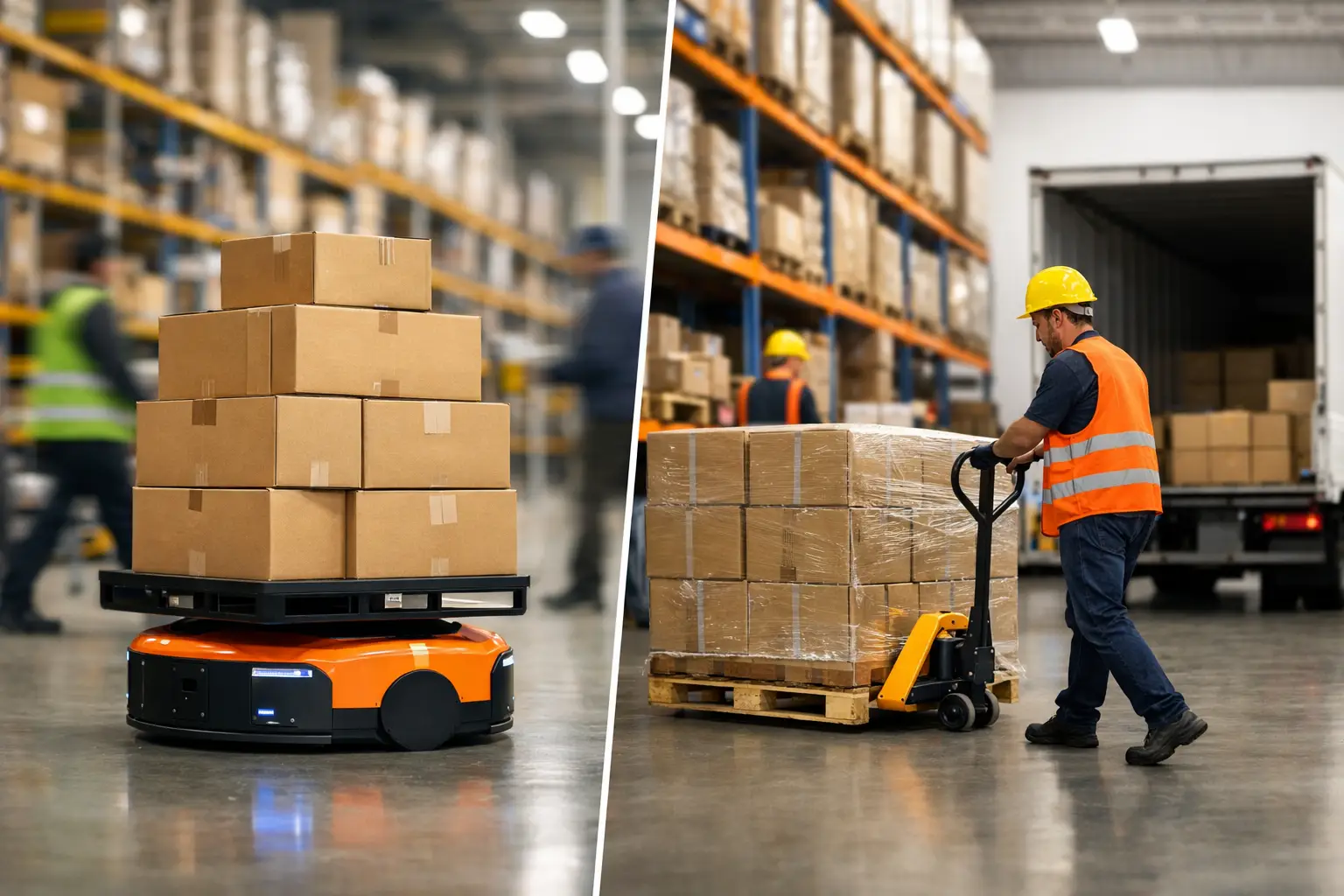
Amazon FBA vs 3PL fulfillment is not a simple choice between convenience and control. It is a decision about where your business will make money, where it will lose flexibility, and how much operational complexity you are ready to manage as sales grow.
For a seller focused only on Amazon, FBA can remove a major workload quickly. For an operator building an ecosystem across Amazon, Shopify, social commerce, influencer campaigns, and Meta ads, an independent 3PL can create more control. The right answer depends on your product economics, sales channels, inventory velocity, and ability to run disciplined systems.
Amazon FBA vs 3PL Fulfillment: The Core Difference
Amazon FBA, or Fulfillment by Amazon, means you send inventory into Amazon fulfillment centers. Amazon stores the units, picks and packs orders, ships them to customers, handles much of the customer service, and processes many returns for Amazon orders. You pay Amazon’s fulfillment and storage fees in exchange for that infrastructure.
A third-party logistics provider, or 3PL, is an independent warehouse partner. You send inventory to its facility, and it fulfills orders from the channels you choose. That may include Shopify, Amazon merchant-fulfilled orders, TikTok Shop, wholesale accounts, subscription orders, or orders generated through influencer and social media traffic.
The practical distinction is this: FBA is built to optimize Amazon sales. A 3PL is built to support a broader fulfillment operation. Neither model is automatically better. The wrong choice is treating fulfillment as an afterthought instead of a profit and growth lever.
When Amazon FBA Gives You an Advantage
FBA is usually the faster route for sellers who have validated demand on Amazon and want to reduce day-to-day shipping work. Amazon already has the warehouse network, delivery infrastructure, customer expectations, and return process in place. Your job is to keep the right amount of inventory in stock and protect your margins.
For eligible offers, FBA can also give customers a delivery experience they recognize and trust. That matters when shoppers compare similar products and want confidence that their order will arrive quickly. Operationally, FBA lets a small team focus more time on sourcing, listing quality, inventory planning, product improvements, and off-Amazon demand generation.
FBA is particularly useful when your products are standardized, compact, fast-moving, and primarily sold on Amazon. A simple product with reliable demand does not need a complicated fulfillment setup. Sending it into FBA may be the cleanest operational move.
But convenience has a price. FBA fees vary by size, weight, category, storage duration, and service requirements. You may also face costs tied to inbound shipping, preparation, labeling, removals, and inventory that sits too long. If you do not monitor these numbers at the SKU level, a product can look profitable on revenue while quietly losing cash after fulfillment costs.
FBA also limits flexibility. You do not control the unboxing experience in the same way you would with your own warehouse partner. You cannot easily add custom inserts, bundles, samples, or channel-specific packaging. That may not matter for a basic commodity product. It matters a lot when you are building a recognizable brand and want repeat customers to move into your owned ecosystem.
Where a 3PL Can Create More Control
A 3PL earns its place when your business extends beyond Amazon. If Shopify is a serious growth channel, a 3PL can fulfill direct-to-consumer orders from the same inventory pool used for other channels. This reduces the risk of holding separate stock piles for every platform and gives you more freedom to test offers.
For example, you may launch a bundle on Shopify after a creator campaign, offer a post-purchase upsell, or package a seasonal promotion differently from your Amazon listing. A capable 3PL can support those variations. FBA is designed for Amazon’s standardized flow, not for every creative move a growing brand wants to make.
A 3PL can also give you more control over packaging, inserts, return rules, kitting, and customer experience. That control can be valuable when your product requires careful handling, has multiple components, needs quality checks, or relies on a premium presentation. It can also help when you are moving customers from social media and influencer traffic to a storefront you own.
The trade-off is that you are now responsible for managing another partner. You need clear service-level expectations, accurate inventory feeds, receiving procedures, shipment rules, and escalation paths. A weak 3PL can create late shipments, stock discrepancies, damaged orders, and frustrated customers. You do not solve the fulfillment problem by outsourcing it. You solve it by building a system that makes the outsourced partner accountable.
Cost: Compare the Full Picture, Not One Fee
Many sellers compare FBA and 3PL fulfillment by looking at a single pick-and-pack fee. That approach creates expensive mistakes.
FBA costs can include fulfillment fees, storage fees, inbound placement and shipping costs, preparation costs, removal charges, and potential long-term storage charges. A 3PL may charge for receiving, storage, pick and pack, packaging materials, account management, special projects, returns, and outbound carrier shipping.
The winning model is not always the one with the lower fulfillment charge. It is the one that produces the better contribution margin after every operational cost is included.
Build a SKU-level comparison using the same assumptions for both options. Include unit cost, inbound freight, fulfillment cost, storage cost, return rate, packaging, marketplace fees, expected discounting, and the labor required to manage exceptions. Then compare the result across your likely sales channels.
A 3PL may look more expensive per order but become more profitable once it allows you to consolidate inventory, sell higher-margin bundles, and capture repeat purchases through Shopify. FBA may look expensive for slow movers but remain the better choice for high-volume Amazon products where speed and simplicity protect conversion.
Inventory Is the Real Decision Point
Your inventory strategy should drive your fulfillment strategy, not the other way around. FBA works best when you can forecast demand with reasonable confidence and replenish before stockouts damage momentum. Sending too little inventory can leave you out of stock. Sending too much can expose you to storage costs and force you into removals or liquidation decisions.
A 3PL can act as a buffer for brands that want to keep reserve inventory outside Amazon. You can send smaller replenishment shipments into FBA while holding the rest at the 3PL for Shopify and other channels. This hybrid model can reduce risk, especially when demand changes quickly or supplier lead times are long.
The hybrid approach is not automatically efficient. Moving inventory between warehouses adds handling and transportation costs. It only works when you have accurate forecasting and clear reorder rules. If your team is guessing, a two-location inventory model can multiply confusion.
Set minimum and maximum stock levels for every important SKU. Track average daily sales, supplier lead time, inbound transit time, warehouse receiving time, and a safety-stock threshold. Your virtual assistant can update the dashboard daily or weekly, while an AI-assisted workflow flags products nearing a reorder point. The founder should make the purchasing decisions based on numbers, not panic.
Choose Based on Your Business Model
If Amazon is your primary channel, your catalog is simple, and you want to minimize shipping operations, FBA is often the logical starting point. It lets you focus on increasing product quality, managing inventory, and building demand without packing orders yourself.
If you are serious about owning customer relationships through Shopify, testing offers quickly, creating bundles, or running off-Amazon campaigns, a 3PL deserves closer attention. It gives you more room to build a brand rather than a business dependent on one channel.
For many scaling sellers, the strongest setup is not Amazon FBA or 3PL fulfillment. It is Amazon FBA for proven Amazon demand, paired with a 3PL for reserve inventory and direct-to-consumer orders. This structure gives you Amazon’s scale while protecting the flexibility of a multi-platform business.
Build the Operations Before You Scale
Whichever option you choose, document the workflow before order volume forces you to. Create standard operating procedures for inbound shipments, inventory reconciliation, damaged units, stockout alerts, customer returns, and supplier reorders. Give each task an owner and a deadline.
A trained VA can handle routine checks such as reconciling warehouse counts, confirming shipment receipts, updating trackers, and escalating exceptions. AI tools can summarize reports, flag unusual inventory movement, and turn recurring operational data into a decision-ready dashboard. That is how you buy back time without losing control.
Do not hand your fulfillment operation to a warehouse and hope for the best. Build visibility, assign ownership, and review the numbers every week. The fulfillment model that helps you dominate sales is the one your team can measure, manage, and improve as the business grows.
WAH Academy Mini Course
Want to understand whether ecommerce is right for your future?
Start with WAH Academy’s mini course to understand the business model, the realistic workload, the risks, and whether this path fits you before considering any larger coaching commitment.
Start Mini Course