
12 Best Products to Sell on Amazon in 2026
Find the best products to sell on Amazon 2026 with a profit-first system for demand, sourcing, delegation, and multichannel growth that scales with data.
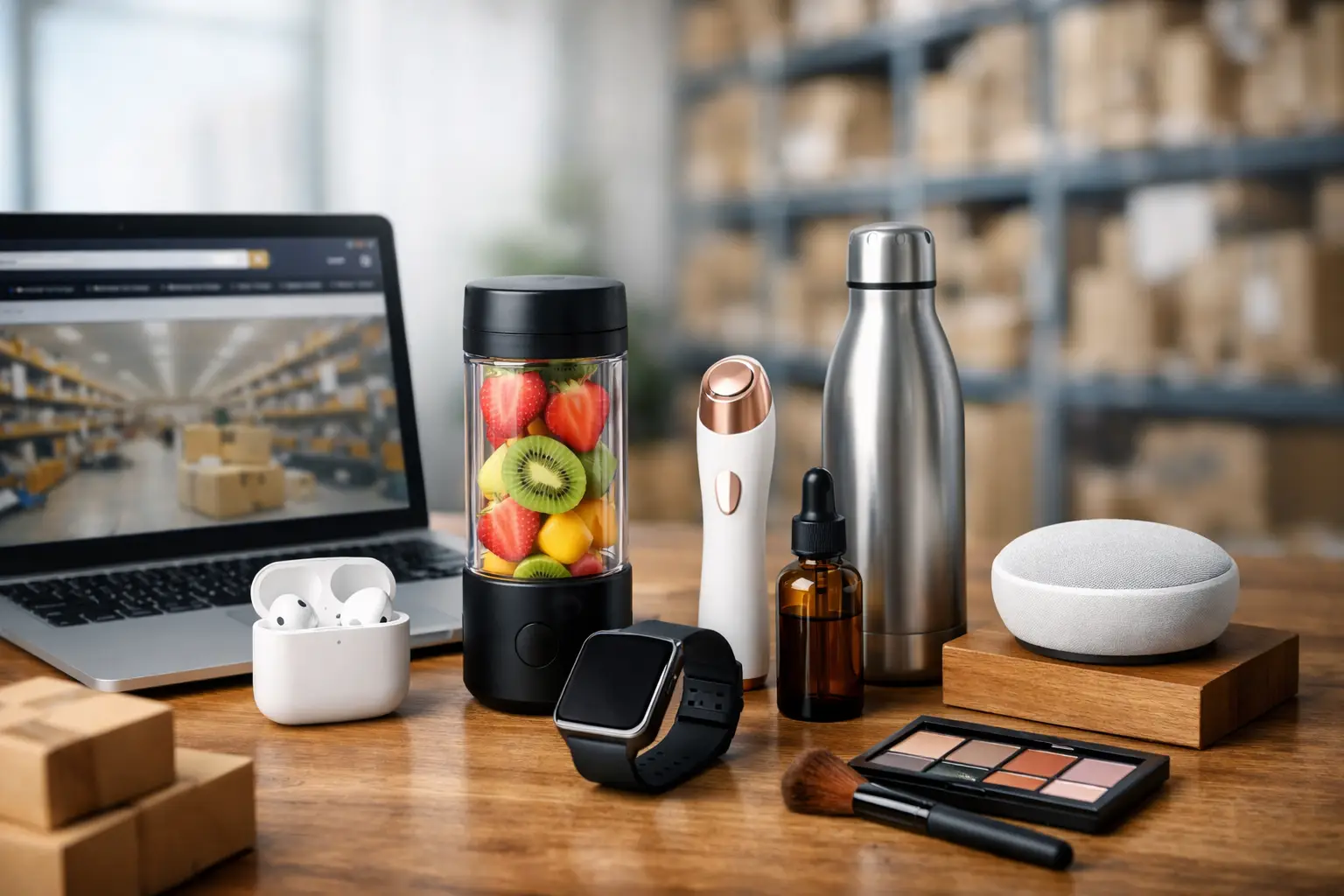
The best products to sell on Amazon 2026 will not be found by copying last year’s bestseller list. Sellers who win will choose products with repeatable demand, enough margin to absorb fees and returns, and operations simple enough to hand off. The goal is not to find a trendy item that spikes for 30 days. It is to build a product line that produces cash flow without turning you into its full-time customer service, inventory, and data-entry department.
Amazon remains a powerful scale channel, but product selection has to start with the business model behind the listing. Can you source it reliably? Can you differentiate it without inventing something from scratch? Can a virtual assistant manage routine tasks from a documented process? If the answer is no, a high sales estimate is not enough.
What Makes a Product Worth Selling in 2026?
A strong opportunity sits at the intersection of demand, margin, and operational control. Demand gets the product discovered. Margin gives you room to survive fees, shipping changes, returns, and promotional activity. Operational control keeps growth from becoming chaos.
Start by looking for products that solve a clear, ordinary problem. Boring is often profitable. People regularly need better ways to store, organize, protect, clean, carry, replace, or maintain things they already own. Those needs do not disappear when a social media trend fades.
The best products also leave room for a meaningful improvement. That may be stronger materials, a better bundle, clearer instructions, more useful sizing, packaging that reduces damage, or a product designed for a specific user group. You do not need to reinvent a category. You need a reason for a buyer to choose your offer over the generic alternative.
For most new sellers, a practical target is a compact, non-fragile product with a selling price that supports healthy contribution margin after product cost, inbound shipping, fulfillment fees, returns, and operating costs. The exact number depends on the category and your sourcing route, but low-priced items with thin margins give you very little room to make mistakes.
12 Product Categories With Real Potential
These are categories to research, not products to copy blindly. Validate each idea against actual pricing, competition, reviews, supplier quotes, and unit economics before placing an order.
1. Home Organization Products
Drawer organizers, pantry systems, cable-management accessories, closet storage, and under-sink solutions remain durable opportunities because clutter is a recurring problem. Avoid large, awkward products with expensive shipping. Focus on compact items that can be improved through material quality, modular design, or a better bundle.
2. Pet Care Accessories
Pet owners spend consistently, especially on products that make feeding, grooming, travel, and cleanup easier. Look beyond novelty toys. A well-designed grooming accessory, travel organizer, or protective home item can serve a clear need and create opportunities for related products later.
3. Kitchen Preparation Tools
Kitchen categories are competitive, but they reward products that make a frequent task safer, faster, or cleaner. Think storage, prep, and cleanup rather than gimmicky gadgets. Read negative reviews carefully. Complaints about weak parts, confusing use, poor sizing, or difficult cleaning are product-development instructions.
4. Travel Organization Accessories
Packing cubes, toiletry solutions, electronics organizers, luggage identifiers, and compact travel comfort products benefit from an audience that wants less friction on every trip. Demand can be seasonal, so plan inventory conservatively at first. A travel product should also be compact enough to protect your margin when freight costs move.
5. Fitness Recovery and Mobility Items
Consumers continue to buy practical recovery products for home use, work travel, and active lifestyles. Keep claims grounded. Do not build a listing around medical promises you cannot support. The better angle is comfort, portability, durability, and a thoughtful kit for a defined use case.
6. Desk and Workspace Accessories
Remote and hybrid work have created durable demand for cable control, laptop organization, monitor-area storage, document solutions, and ergonomic accessories. This category is especially useful for product-line thinking. A customer who buys one workspace product may be a natural buyer for the next one.
7. Car Care and Interior Organization
Drivers routinely buy products that keep vehicles cleaner, more organized, and easier to use. Seat-gap organizers, trunk storage, detailing accessories, and protective interior items can work when fitment is clear. Be precise about vehicle compatibility. Vague claims create returns, bad reviews, and operational headaches.
8. Gardening and Plant Care Tools
Indoor plants, balcony gardens, and small-space growing create demand for simple, useful accessories. Products for watering, support, propagation, pot organization, and garden cleanup can perform well. Watch seasonality, and avoid products that are too fragile or difficult to package safely.
9. Baby and Family Organization Products
Parents value products that save time and reduce mess. Nursery organization, travel storage, meal-prep accessories, and routine-management items can have strong demand. This is a trust-heavy category, so quality control, accurate materials information, and clear instructions matter more than clever branding.
10. Hobby and Craft Storage
Crafters, collectors, and hobbyists often buy more than once when they find storage that fits their specific tools or supplies. Research niches where standard storage does not work well: specialty paints, sewing tools, trading cards, model accessories, or jewelry-making supplies. Specificity can reduce direct competition.
11. Personal Care Tools and Accessories
Non-consumable accessories for grooming, organization, and daily routines can offer repeatable demand without the complexity of manufacturing formulas. Stay away from unsupported health or beauty claims. Win with hygiene, durability, ease of cleaning, and packaging that makes the product feel dependable.
12. Replacement and Maintenance Accessories
Replacement parts and maintenance items can be less glamorous and more predictable. Consumers need filters, protectors, covers, cleaning tools, and compatible accessories for products they already own. The opportunity is in accuracy. Incorrect dimensions or weak compatibility details will destroy profitability through returns.
How to Filter Product Ideas Before You Spend Money
Your first filter is economics. Build a simple profit model before you ask a supplier for samples. Include unit cost, shipping, duties where applicable, Amazon fees, preparation costs, storage, expected returns, and the labor required to manage the product. If the product only works under perfect assumptions, reject it.
Your second filter is competition quality. A crowded search result is not automatically a bad sign. It proves people are buying. What matters is whether the current offers are weak in a way you can fix. If top listings have thousands of strong reviews, polished branding, and almost no recurring complaints, your entry point may be too narrow.
Then examine demand over time. Products with stable, year-round purchasing behavior are easier for beginners to manage than highly seasonal winners. Seasonal products can be profitable, but they demand tighter forecasting and cleaner inventory planning. Start with fewer moving parts until your systems are proven.
Finally, order samples. Product research on a spreadsheet is only a hypothesis. Inspect materials, test packaging, compare dimensions, and use the product as a customer would. A supplier can send attractive photos while delivering a product that feels cheap in the hand. Samples expose that gap before it becomes 500 units of dead inventory.
Build a Product System, Not a One-Product Bet
The strongest Amazon sellers do not rely on one winning SKU. They build a focused catalog around a customer, problem, or lifestyle. A kitchen storage brand can expand from one organizer into a coordinated system. A pet travel product can lead to grooming, feeding, and cleanup accessories. This creates more opportunities to increase customer value without constantly starting from zero.
Use Shopify as a testing and brand-control layer where it makes sense. A simple store can help you validate messaging, collect customer questions, test bundles, and create a home for traffic from social media, influencers, and Meta ads. Amazon can then scale demand for validated products, while your store gives you a direct channel you control.
This approach also protects you from building the entire business around a single marketplace rule, listing, or account dependency.
Delegate Research and Operations Early
Do not make yourself the permanent bottleneck. Create a product-research scorecard, supplier outreach template, sample-inspection checklist, and inventory dashboard. Once the process is documented, a trained virtual assistant can gather competitor data, organize supplier conversations, monitor stock levels, update tracking sheets, and flag exceptions for your decision.
AI can speed up first drafts of review analysis, listing comparisons, customer-question categorization, and standard operating procedures. It should not replace judgment. Your job is to set the rules, verify the output, and make the capital decisions. The VA and automation layer should handle the repeatable work.
That is how you keep product selection tied to profit instead of excitement. Choose a category with durable demand, prove the economics, solve a visible customer problem, and build the operational machine before volume arrives. The product that changes your business in 2026 may look ordinary at first glance. Your systems are what turn it into a scalable asset.
WAH Academy Mini Course
Want to understand whether ecommerce is right for your future?
Start with WAH Academy’s mini course to understand the business model, the realistic workload, the risks, and whether this path fits you before considering any larger coaching commitment.
Start Mini Course